Georgia’s Global Trade Network
The Future of Georgia Maritime Ports: Poti and Anaklia Shaping Eurasian Trade
-
July 14, 2025
-
Lizi Tchatchiashvili
-
Georgia’s Black Sea Ports: Strategic Gateways in Eurasian Trade
-
Poti Port: Modernizing to Meet Growing Regional Demand
-
Anaklia Deep Sea Port: A Transformative Leap for Georgia’s Black Sea Ports
-
Foreign Investment Driving Growth in Georgia’s Black Sea Ports
-
The Strategic Competition Shaping Georgia’s Black Sea Ports Future
-
SGBA’s Role in Linking European Expertise with Georgia’s Black Sea Ports
Georgia’s Black Sea Ports: Strategic Gateways in Eurasian Trade
Georgia’s Black Sea ports form the backbone of its aspiration to serve as a critical link in Eurasian trade, and nowhere is this more evident than in Poti and Anaklia. The two projects embody different visions of Georgia’s maritime strategy. One is focused on incremental modernization of existing facilities, the other is aiming for a transformative leap into deep-sea shipping.
Poti Port: Modernizing to Meet Growing Regional Demand
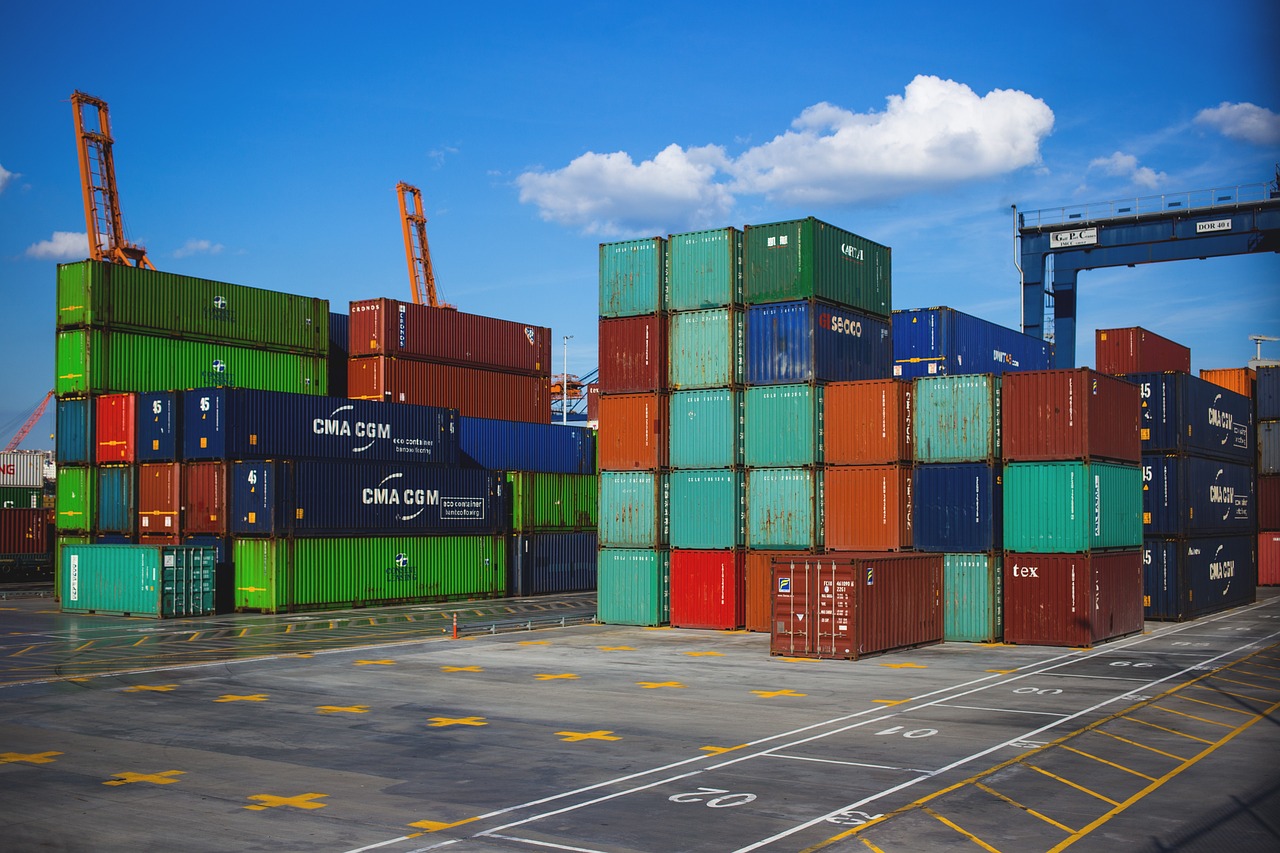
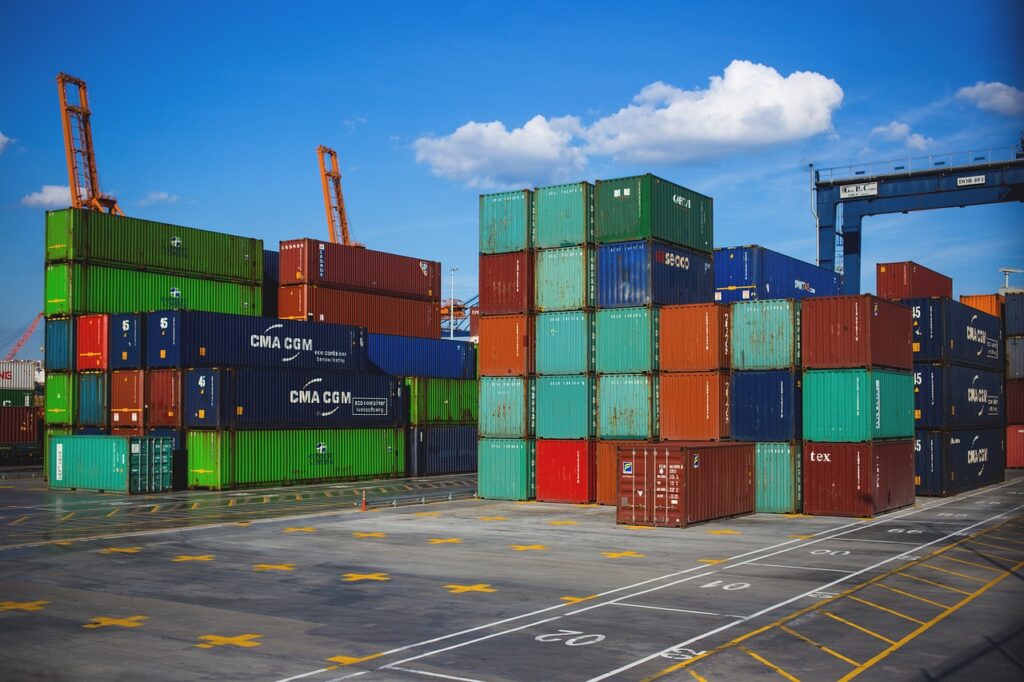
Poti Port, operated by APM Terminals, is currently Georgia’s busiest seaport, handling over 80% of the country’s container traffic. Backed by a USD 250 million expansion plan, the port is being deepened to 13.5 meters, enabling the accommodation of larger vessels, and its new deep-water terminal will boost annual capacity to over 1 million TEUs (APM Terminals). The port’s proximity to Tbilisi and established rail connectivity make it the default choice for most import-export operations, particularly for cargo transiting along the Trans-Caspian International Transport Route (Middle Corridor). However, despite these upgrades, Poti remains limited in its ability to host ultra-large container ships, constraining Georgia’s Black Sea ports’ ability to compete with deep-water ports in Romania, Turkey, and Bulgaria.
Anaklia Deep Sea Port: A Transformative Leap for Georgia’s Black Sea Ports
By contrast, the Anaklia Deep Sea Port, revived in 2024 after years of delays, has the potential to transform Georgia’s maritime profile. Planned with a natural depth of 20-22 meters and an annual handling capacity of 100 million tonnes, Anaklia would be capable of receiving Panamax and post-Panamax vessels directly from Asia, Africa, and the Americas without transshipment. Its backers, including international engineering and investment consortia, envision it as a free economic zone with advanced logistics, warehousing, and value-added processing facilities. It could integrate maritime trade with industrial development. If realized, Anaklia could reduce Georgia’s dependency on foreign ports for large-scale imports and exports, particularly energy, heavy machinery, and bulk agricultural goods, strengthening Georgia’s Black Sea ports’ overall strategic position.
Foreign Investment Driving Growth in Georgia’s Black Sea Ports
Foreign investment is central to both projects. In Poti, financing and technical expertise come from the European Bank for Reconstruction and Development (EBRD) and the Asian Development Bank (ADB), both of which have supported port infrastructure and rail integration projects. Anaklia, on the other hand, has drawn interest from U.S., European and Asian investors, but its financing remains more sensitive due to its location.
The Strategic Competition Shaping Georgia’s Black Sea Ports Future
One could say that there is a certain competition between Poti and Anaklia, which is not only commercial. It is also about the future orientation of Georgia’s maritime policy. Poti represents a pragmatic, short-to-medium-term approach: expanding within the bounds of existing infrastructure and attracting steady container traffic from regional trade. Anaklia, however, represents a long-term bet on positioning Georgia as the primary deep-sea hub between the Black Sea and the Caspian, capable of rivaling regional giants in Turkey and boosting the profile of Georgia’s Black Sea ports. They both could shape Georgia’s integration into the Middle Corridor, the EU’s Global Gateway, and China’s Belt and Road Initiative.
SGBA’s Role in Linking European Expertise with Georgia’s Black Sea Ports
For the Spanish-Georgian Business Alliance (SGBA), both Poti and Anaklia offer significant opportunities for European, especially Spanish, maritime and logistics companies. Spain’s expertise in deep-water port engineering, coastal infrastructure, and smart logistics systems positions its firms as valuable partners for Georgian stakeholders. SGBA acts as a connector between Georgian port authorities, European investors, and shipping operators, fostering joint ventures, technology transfer agreements, and maritime training initiatives. SGBA helps ensure that Georgia’s Black Sea ports infrastructure upgrades not only expand capacity but also meet EU environmental and efficiency standards, strengthening the country’s role as a competitive, reliable link in global supply chains.
Facebook
Twitter
LinkedIn
